
Services
Bridges
We fill gaps from missing teeth with custom bridges, helping you chew, speak, and smile with renewed confidence.

Why choose us
Benefits of Bridges
Fill the Gap
We replace one or more missing teeth with a natural-looking, fixed restoration.
Chew and Speak Easier
A bridge helps restore comfortable biting, chewing, and clear speech.
Keep Teeth Aligned
Filling the space helps prevent neighboring teeth from shifting out of place.
Relaxed, Comfortable Visits
We offer local anesthesia, nitrous oxide, and oral conscious sedation for anxious patients.
Flexible Payment Options
We accept most dental insurance plans and self-pay, and offer CareCredit and HFD Financing.
When a single tooth goes missing, the teeth on either side don't stay put forever. Over time they can lean into the open space, the tooth above or below may drift, and chewing on that side can start to feel uneven. A dental bridge is one of the most dependable ways we close that gap. It uses the healthy teeth next to the space to anchor a replacement tooth that looks and functions like part of your natural smile.
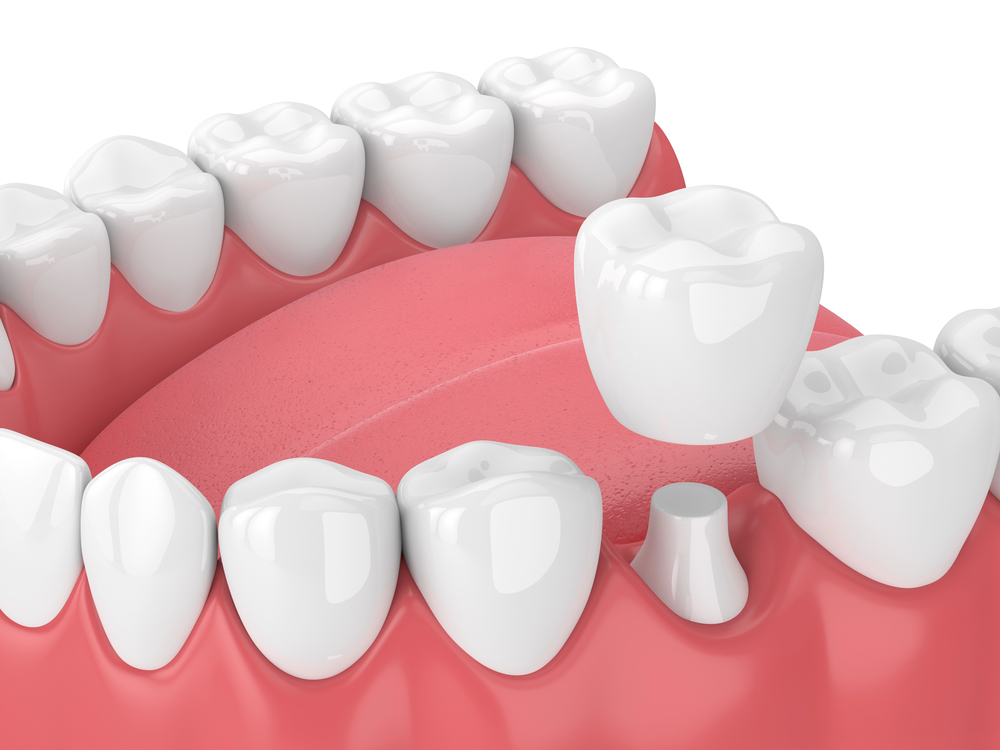
A traditional bridge is a single connected restoration with three parts. The two outer pieces are crowns that fit over the teeth on each side of the gap, called the abutment teeth. The replacement tooth in the middle, called a pontic, fills the empty space. Because everything is joined together and cemented in place, a bridge stays in your mouth full-time. You don't take it out at night the way you would a removable appliance.
Bridges help patients in a wide range of situations. Some lose a tooth to an injury, some to deep decay, and some after an extraction when a tooth couldn't be saved. A bridge can replace one tooth or several neighboring teeth, depending on how many are missing and how strong the supporting teeth are. For our West Palm Beach patients who want a fixed solution without a surgical step, a bridge is often a practical choice.
The most important factor is the health of the teeth that will hold the bridge. They need to be strong enough to support crowns and the added chewing force. If one of those teeth has decay, a large old filling, or an infection, we address that first. Because we also provide fillings, root canal therapy, and gum disease treatment in our office, we can often prepare your mouth for a bridge without sending you elsewhere.
Healthy gums matter as well. A bridge sits along the gumline, so inflammation or bone loss from gum disease can affect how well it fits and how long it serves you. During your exam, we look at the whole picture, including your bite, your gums, and the condition of the neighboring teeth. Then we talk with you about whether a bridge, a dental implant, or a partial denture fits your needs best. We offer all three, so our recommendation is based on what suits your mouth, not on a limited menu.
Will getting a bridge be uncomfortable?
For most patients, the process feels much like getting a crown. We use local anesthesia to numb the area while we shape the abutment teeth. If dental visits make you anxious, we also offer nitrous oxide and oral conscious sedation to help you feel more relaxed in the chair.
Comfort also means feeling understood. Our multilingual team can assist patients in Spanish and German, so you can ask questions and talk through your options in the language you're most comfortable with. Some mild tenderness around the treated teeth for a short time afterward is normal, and we'll let you know what to watch for before you leave.
How do I care for my bridge so it lasts?
A bridge needs daily cleaning, with extra attention to the space under the replacement tooth. Food and plaque can collect where the pontic meets the gum. Simple habits make a real difference:
- Brush twice a day, paying close attention to the gumline around the crowns
- Clean under the pontic daily with a floss threader, a water flosser, or a small interdental brush
- Avoid chewing ice, hard candy, or other very hard objects that can stress the restoration
- Keep up with regular exams and cleanings so we can check the bridge and the supporting teeth
Those routine visits are where we catch small problems early. Our hygienists clean around the bridge thoroughly, and we check that your bite stays balanced and that the abutment teeth remain healthy. How long a bridge lasts depends largely on how well the supporting teeth and gums are cared for, so home care and professional checkups work together.
Can I use insurance or financing for a bridge?
Yes. We accept most dental insurance plans, and our team can help you understand how your coverage applies to a bridge before treatment begins. We also welcome self-pay patients and offer discounts for cash pay and for those without coverage, along with new patient specials.
If you'd like to spread out the cost, we offer financing through CareCredit and HFD Financing. We'll walk you through your options so you can make a decision that fits your budget without feeling rushed.
We're open Monday through Saturday, and we can often see patients the same day they call. If you're living with a gap in your smile, or a tooth needs to come out and you're wondering what comes next, Dr. Francisco Javier Azar, Dr. Vikram Ravoory, and our team would be glad to meet you. Call Premier Dentistry of the Palm Beaches to schedule your visit, and let's talk about the best way to restore your smile.
The process
What to expect
- 1
Consultation and Exam
We examine your smile, discuss your tooth replacement options, and confirm a bridge is right for you.
- 2
Preparing Your Bridge
We gently prepare the supporting teeth and fit your custom bridge to match your smile.
- 3
Aftercare and Checkups
We show you how to care for your bridge and keep it healthy with regular cleanings and exams.
Questions
Bridges FAQs
Will my dental insurance cover a bridge?
Many dental insurance plans provide some coverage for bridges, and we accept most dental insurance plans. Our team is happy to review your benefits with you before treatment so you know what to expect. For patients without coverage, we welcome self-pay patients and offer flexible financing through HFD Financing and CareCredit.
Does getting a dental bridge hurt?
Most patients feel little to no discomfort during bridge treatment because we numb the area with local anesthesia first. If you feel nervous about dental visits, we also offer nitrous oxide and oral conscious sedation to help you relax. Our team checks in with you throughout your appointment to keep you comfortable.
How long does it take to get a bridge?
A bridge usually takes more than one visit: the first to prepare the supporting teeth and the next to place your finished bridge. We'll walk you through your specific timeline during your consultation. Because we're open Monday through Saturday, it's often easier to schedule your visits around work and family.
How long will my bridge last?
With good care, a dental bridge can serve you well for many years, though how long it lasts varies from person to person. Brushing, cleaning carefully under the bridge, and keeping up with regular exams and cleanings all help protect it and the teeth that support it. At your checkups, we'll keep an eye on your bridge and let you know if it needs attention.
Am I a good candidate for a bridge, or are there other options?
A bridge may be a good fit if you're missing one or more teeth in a row and have healthy teeth on either side to support it. We'll examine your mouth and talk through your goals to help you decide. Depending on your needs, we may also discuss other tooth replacement options we offer, such as dental implants or partial dentures.