
Services
Dental Fillings
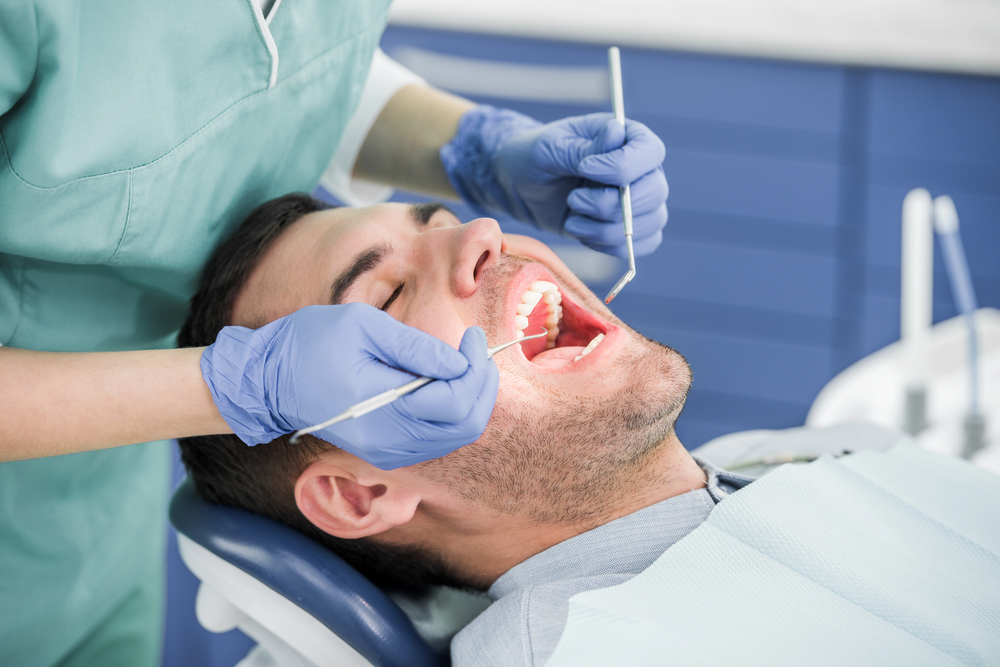
Our team repairs cavities with dental fillings, using local anesthesia for comfort and often offering same-day visits.

Why choose us
Benefits of Dental Fillings
Stop Decay Early
We treat cavities before they grow and lead to more involved care like root canals or crowns.
Comfort You Can Count On
We offer local anesthesia, nitrous oxide, and oral conscious sedation for patients who feel anxious about dental visits.
Care for All Ages
Our team treats children and adults alike, so your whole family can get fillings in one dental home.
Same-Day Visits Often Available
We can often see you the day you call and fix the problem in a single visit.
Flexible Payment Options
We accept most dental insurance plans, welcome self-pay patients, and offer CareCredit and HFD Financing.
A small cavity rarely announces itself loudly at first. It might show up as a twinge when you sip iced coffee on a hot West Palm Beach afternoon, a spot where floss keeps catching, or a rough edge your tongue keeps finding. Those small signals matter, because treating decay while it's still minor is usually simpler than waiting until it reaches deeper into the tooth. A dental filling is one of the most common ways we stop that progression and return a tooth to everyday comfort and function.
A filling repairs a tooth that has been damaged by decay or minor wear. During treatment, we remove the weakened portion of the tooth, clean the area thoroughly, and fill the space with a restorative material that seals it and rebuilds its shape. The goal is practical: to help the tooth handle chewing again, close off the spot where bacteria were causing damage, and keep the problem from spreading.
Because our office sees patients of all ages, fillings come up across every stage of life. A child may need one for a cavity on a back molar that's hard to reach with a toothbrush. A busy adult may have a small area of decay found during a routine exam before it caused any pain. An older patient might need an aging restoration replaced. Our general dentists and our board-certified pediatric dentist handle these situations as part of our broader restorative dentistry care.
Many cavities are first spotted during a dental exam and cleaning, which is one reason we encourage regular preventive visits. Our dental hygienist and dentists look for early changes that you might not notice yet. Still, there are signs worth paying attention to between appointments:
- Sensitivity to hot, cold, or sweet foods and drinks
- A visible dark spot, pit, or hole in a tooth
- Food that repeatedly gets stuck in the same place
- Discomfort when biting down
- A chipped tooth or a filling that feels loose or broken
Having one of these doesn't automatically mean you need a filling, but it does mean the tooth deserves a closer look. If decay has spread deep enough to affect the inner part of the tooth, a filling may not be enough on its own, and we may talk with you about options such as root canal therapy or a crown. We'll explain what we see and why we recommend a particular approach, so you can make an informed decision.
Will getting a filling hurt?
For most patients, the filling appointment is very manageable, because we numb the area with local anesthesia before we begin. You may feel some pressure or vibration while we work, but the goal is for the tooth itself to feel comfortable throughout treatment.
We also understand that some people feel anxious about any dental visit, and that anxiety is often what keeps them from treating a small cavity early. For patients who need extra support, we offer nitrous oxide and oral conscious sedation. Our multilingual team can also walk you through each step in Spanish or German, so you know exactly what's happening and never feel rushed or unsure.
How should I care for my tooth after a filling?
Start by giving the numbness time to wear off before you eat, so you don't accidentally bite your cheek, lip, or tongue. Some patients notice mild sensitivity in the treated tooth for a short while afterward. If your bite feels uneven or high when you close your teeth together, let us know. A quick adjustment can make a noticeable difference in comfort.
Over the long term, a filled tooth needs the same care as the rest of your smile: brushing, flossing, and keeping up with regular cleanings and exams. These visits let us check the condition of existing fillings and catch new problems early. For children and other patients at higher risk for decay, we also offer fluoride treatment and dental sealants, which can help protect teeth from future cavities.
What if I have a broken filling or toothache right away?
Call us. We offer emergency dental appointments, and we're often able to see patients the same day they call and fix the problem in a single visit. A cracked tooth, a lost filling, or a sudden toothache can be stressful, and we'd rather help you quickly than have you wait it out in discomfort.
Our office is open Monday through Saturday, which makes it easier to fit care around work, school, and family schedules. That flexibility also makes it simpler to treat a small cavity promptly instead of putting it off until it grows into a larger issue.
How can I pay for a dental filling?
We accept most dental insurance plans and are in-network with many popular providers. We'll help you understand how your coverage applies to your treatment. If you don't have insurance, we welcome self-pay patients and offer discounts for cash pay and for those without coverage. New patients can also take advantage of our new patient specials.
For patients who prefer to spread out costs, we offer financing through CareCredit and HFD Financing. Cost should never be the reason a small cavity turns into a bigger problem, and our team is happy to talk through your options before treatment begins.
If a tooth has been bothering you, or it's simply been a while since your last checkup, we'd love to help. Call Premier Dentistry of the Palm Beaches to schedule a visit with Dr. Azar or Dr. Ravoory. We look forward to welcoming you and your family to our West Palm Beach dental home.
The process
What to expect
- 1
Exam and Diagnosis
We examine your tooth, find the decay or damage, and explain your options in plain language.
- 2
Gentle Filling Placement
After numbing the area, we remove the decay and fill the tooth to restore its shape and function.
- 3
Aftercare and Prevention
We share simple home-care tips and keep up with regular exams and cleanings to help protect your smile.
Questions
Dental Fillings FAQs
How much does a dental filling cost, and does insurance cover it?
The cost of a filling depends on the size and location of the cavity, so we review your specific needs and costs with you before treatment begins. We accept most dental insurance plans and also welcome self-pay patients. To help make care more manageable, we offer financing through HFD Financing and CareCredit.
Does getting a filling hurt?
We use local anesthesia to numb the area, so you can stay comfortable while we treat the tooth. If you feel nervous about dental visits, we also offer nitrous oxide and oral conscious sedation to help you relax. Our team will talk through your options with you so you know what to expect.
How long does a filling appointment take?
The length of your visit depends on how many teeth need treatment and how large the cavities are. We'll give you an idea of timing before we begin. We're open Monday through Saturday and can often see patients the same day they call, which makes it easier to fit treatment into a busy schedule.
How long will my filling last?
How long a filling lasts varies from person to person and depends on factors like your daily habits and how well you care for your teeth. Brushing, flossing, and keeping up with regular dental exams and cleanings help us monitor your fillings and catch any concerns early.
Who needs a filling, and are there alternatives?
A filling is often recommended when a tooth has a cavity or minor damage that can be repaired. If the damage is more extensive, we may suggest another restorative option such as a crown, and we'll explain your choices during your exam. We see patients of all ages, and our board-certified pediatric dentist is here for younger patients as well.