
Services
Crowns
We restore damaged or weakened teeth with custom crowns, with sedation options available for anxious patients in West Palm Beach.

Why choose us
Benefits of Crowns
Protect Weakened Teeth
We cover a cracked, worn, or heavily filled tooth with a crown to help keep it strong and functional.
Natural-Looking Results
Our team shapes each crown to blend in with your smile so you can eat and talk with confidence.
Calm, Comfortable Visits
We offer local anesthesia, nitrous oxide, and oral conscious sedation for patients who feel anxious about dental care.
Flexible Payment Options
We accept most dental insurance plans and self-pay patients, and we offer financing through CareCredit and HFD Financing.
Saturday Appointments Available
We're open Monday through Saturday, so getting a crown fits more easily into your busy West Palm Beach schedule.
If you have a tooth that cracked on a popcorn kernel, a molar that has held a large filling for years, or a front tooth you avoid showing when you smile, a dental crown may be the solution that lets you chew, speak, and smile without second-guessing. At Premier Dentistry of the Palm Beaches, we place crowns for patients throughout West Palm Beach. Our goal is to protect what remains of a natural tooth and help it look and work the way it should.
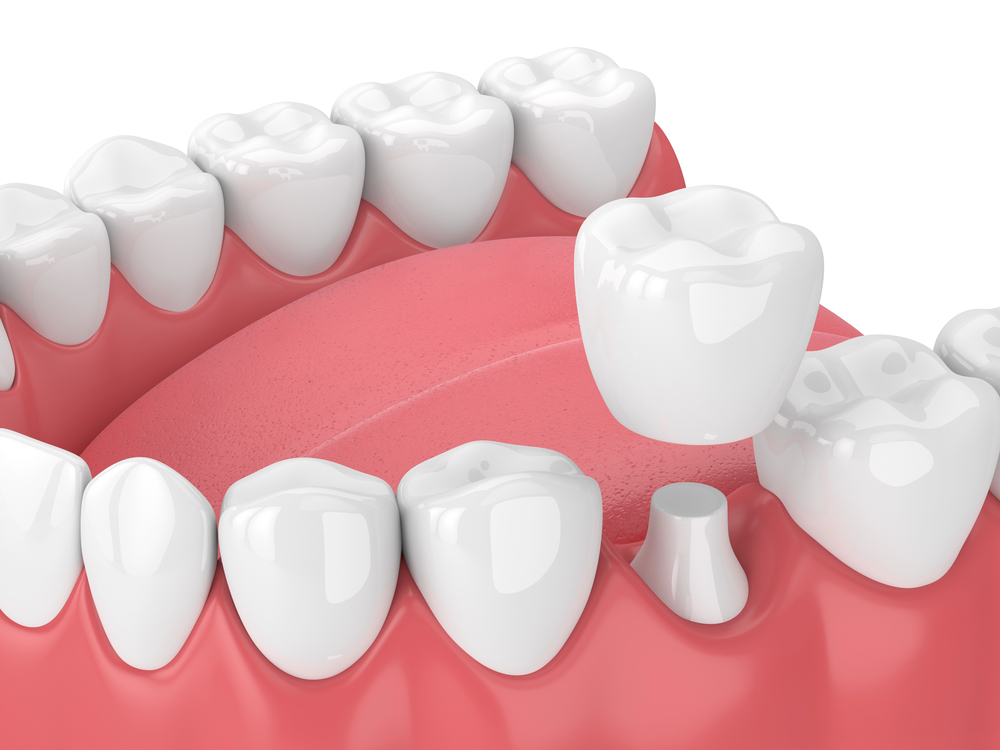
A dental crown is a custom-made cap that covers the entire visible portion of a tooth, from the chewing surface down to the gumline. A filling repairs a small area. A crown wraps around the whole tooth, holds it together, and shields it from the everyday forces of biting and grinding. Because it is shaped and shaded to fit your mouth, it can blend in with the teeth around it.
Crowns are one of the most versatile tools in restorative dentistry, and they help a wide range of patients. Here are some of the most common situations we see:
- A tooth that is cracked, chipped, or broken
- A tooth weakened by decay that is too large for a filling
- A tooth that has had root canal therapy and needs added protection
- A dental implant that needs a visible, natural-looking top
- A bridge, which uses crowns on neighboring teeth to replace a missing tooth
- A tooth that is badly worn, misshapen, or discolored
Patients come to us for crowns for very different reasons. Knowing which situation applies to you helps us plan the right approach. Some arrive with an urgent problem, like a tooth that broke at dinner. We offer emergency dental appointments, and we are often able to see patients the same day they call. That means a damaged tooth can be evaluated and stabilized quickly instead of being left vulnerable.
Other patients are already in the middle of treatment. After root canal therapy, a tooth can become more brittle, especially a premolar or molar that handles heavy chewing. A crown is often the next step to keep that tooth intact. Patients replacing missing teeth may need crowns as part of a bridge or on top of a dental implant, and we provide both of those treatments in our office. That lets us coordinate every stage of care under one roof.
Is getting a crown uncomfortable?
For most patients, getting a crown feels much like getting a filling, because we numb the area thoroughly with local anesthesia first. You may feel some pressure while we work, but you should not feel sharp pain.
We also understand that some people feel anxious about any dental visit, and that anxiety is valid. For those patients, we offer nitrous oxide and oral conscious sedation, which can help you feel calmer and more relaxed during treatment. Our multilingual team can also walk you through each step in English, Spanish, or German. Clear communication is a big part of feeling at ease.
How do I care for my crown afterward?
You care for a crown much like a natural tooth: brush twice a day, floss daily, and keep up with regular checkups and cleanings. A crown itself cannot get a cavity. However, the natural tooth underneath can still develop decay along the edge where the crown meets the gumline, so cleaning that area matters.
Some sensitivity right after treatment is common. If something feels off when you bite down, let us know so we can check the fit. Over time, we will examine your crown during routine exams and cleanings with our dental hygienist. It also helps to avoid chewing ice, opening packages with your teeth, or biting very hard objects. If you grind your teeth, tell us so we can talk about ways to protect your restoration.
How can I pay for a dental crown?
We accept most dental insurance plans, and many plans provide some coverage for crowns that are needed to restore a damaged tooth. Our team can help you understand your benefits before treatment begins so there are fewer surprises.
If you do not have coverage, we welcome self-pay patients and offer discounts for cash pay and for those without insurance. We also have new patient specials that can help you save. For patients who would like to spread out the cost, we offer financing through HFD Financing and CareCredit. We believe finances should not stand between you and a healthy smile.
If a tooth has been bothering you or a dentist has recommended a crown, we would be glad to help. Dr. Francisco Javier Azar, Dr. Vikram Ravoory, and our team are open Monday through Saturday to fit busy schedules. Call our West Palm Beach office today to schedule your visit, and let us help you get back to eating and smiling with confidence.
The process
What to expect
- 1
Exam and Consultation
We examine your tooth, talk through your options, and explain whether a crown is the right fit for you.
- 2
Preparing Your Crown
We gently prepare the tooth and place your crown so it fits comfortably with your bite.
- 3
Ongoing Care
We'll share simple home care tips and check on your crown during your regular cleanings and exams.
Questions
Crowns FAQs
Will my dental insurance help pay for a crown?
Many dental insurance plans include some coverage for crowns, and we accept most dental insurance plans. Our team is happy to review your benefits with you before treatment so you know what to expect. We also welcome self-pay patients and offer financing through HFD Financing and CareCredit to help fit care into your budget.
Does getting a crown hurt?
Most patients feel little to no discomfort because we numb the area with local anesthesia before we begin. If you feel nervous about dental visits, we also offer nitrous oxide and oral conscious sedation to help you relax. Our team checks in with you throughout your visit so you stay comfortable.
How long does the crown process take?
The timeline depends on your tooth and the type of crown that fits your needs, and we will walk you through each step at your consultation. We are open Monday through Saturday, which makes it easier to schedule your visits around work, school, and family. If a damaged tooth is causing you trouble, we can often see you the same day you call.
What is recovery like after a crown, and how long will it last?
Most patients return to their normal routine right away, though the tooth and gums may feel a little tender for a short time. How long a crown lasts varies from person to person and depends on habits like brushing, flossing, and keeping up with regular exams and cleanings. We will share tips to help you protect your crown and keep it in good shape.
Am I a good candidate for a crown, or are there other options?
A crown may be a good fit if a tooth is cracked, weakened, badly worn, heavily filled, or has had root canal therapy. Depending on your needs, a dental filling, porcelain veneers, a bridge, or a dental implant may be options to consider instead. After examining your tooth, our dentists will explain your choices so you can decide what feels right for you.